The Nagas
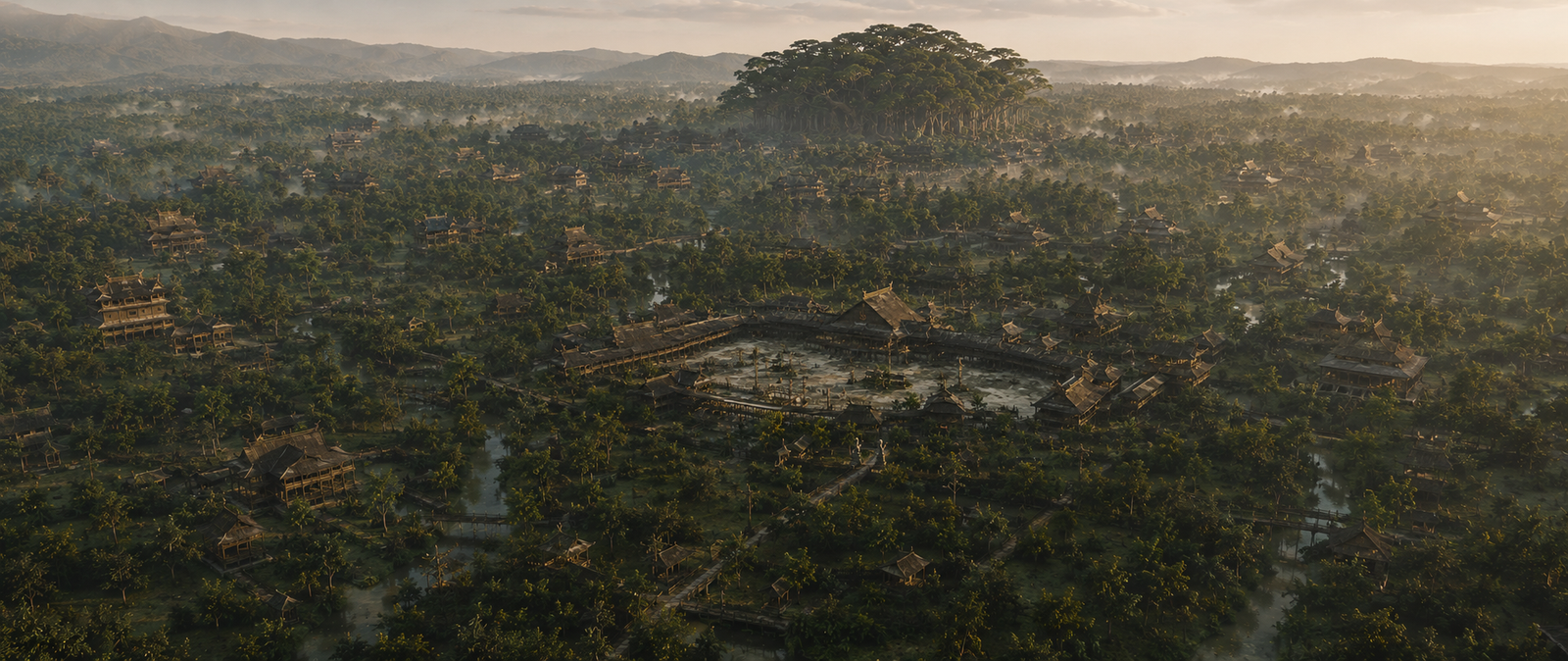
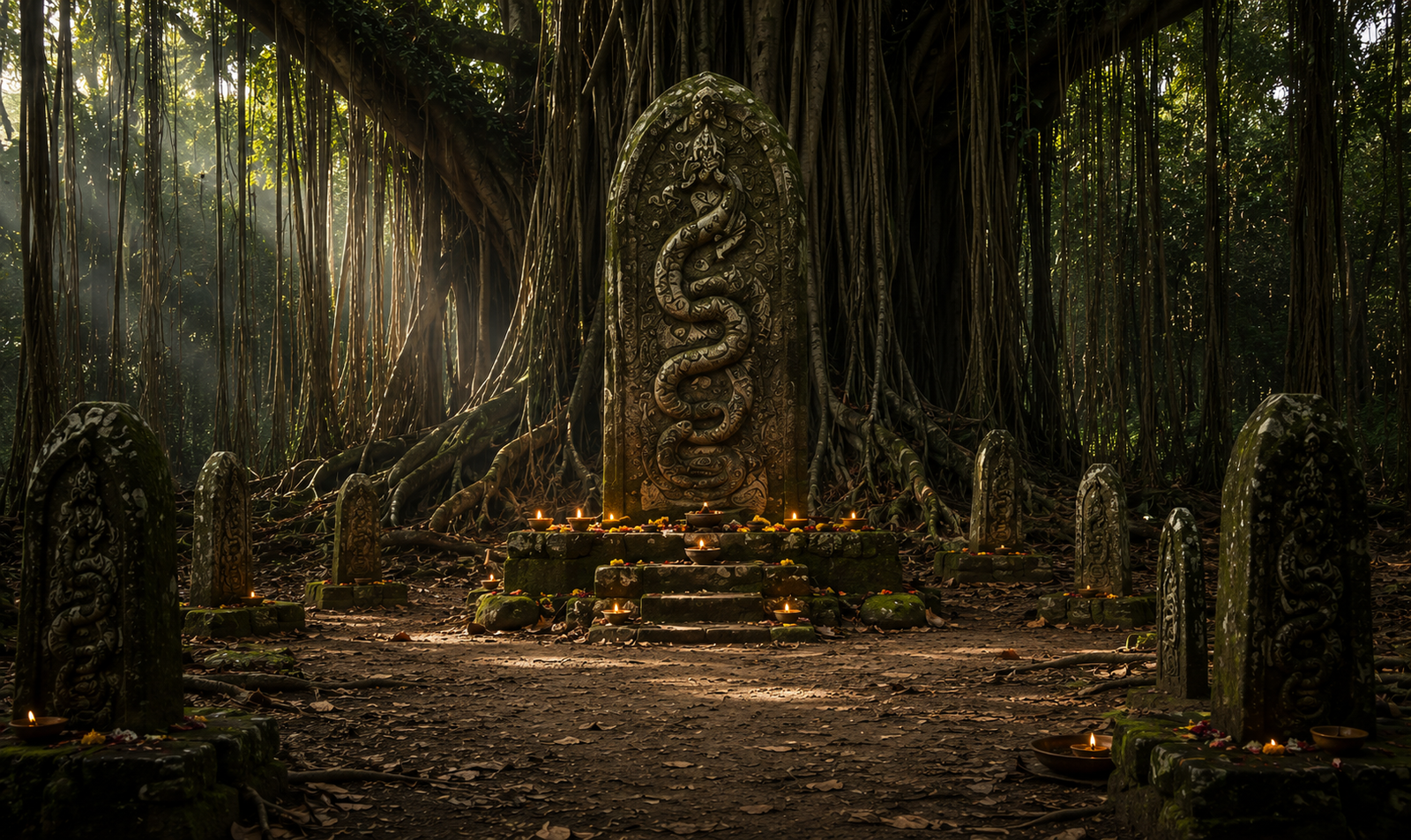
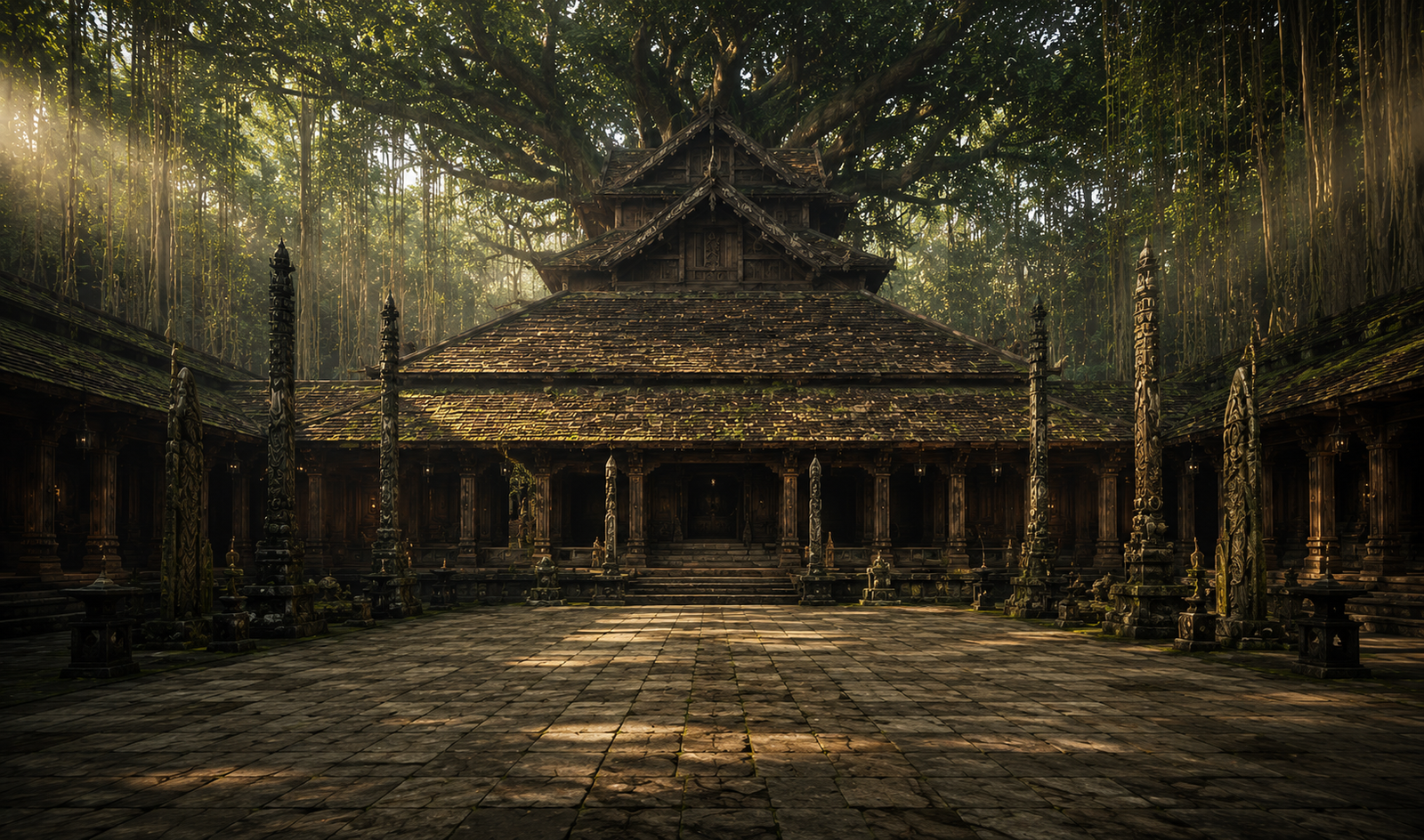
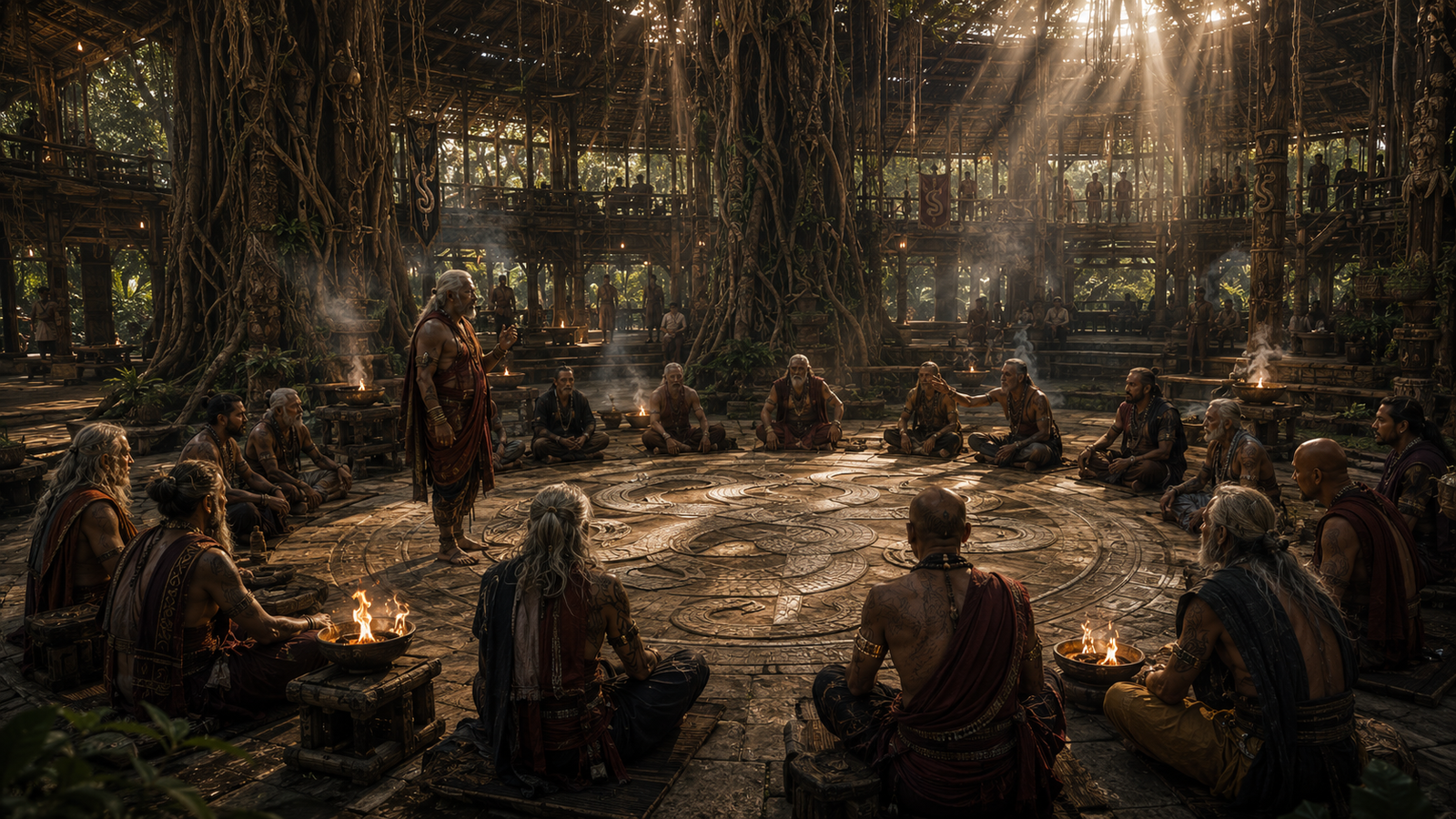
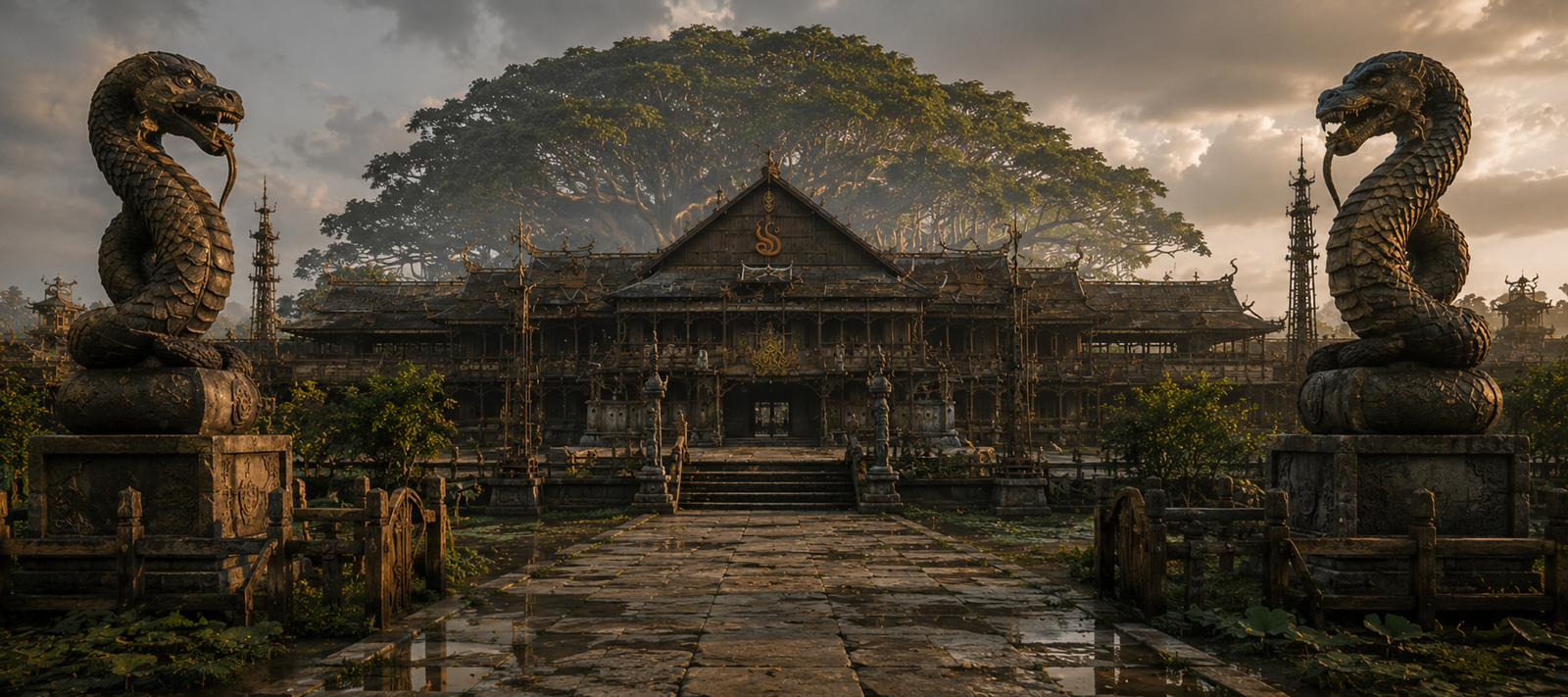
A serpent-worshipping warrior civilisation rooted in sacred groves, palace halls and ancient codes of sovereignty.
Kingdoms. Warriors. Sacred groves. Forgotten civilisations.
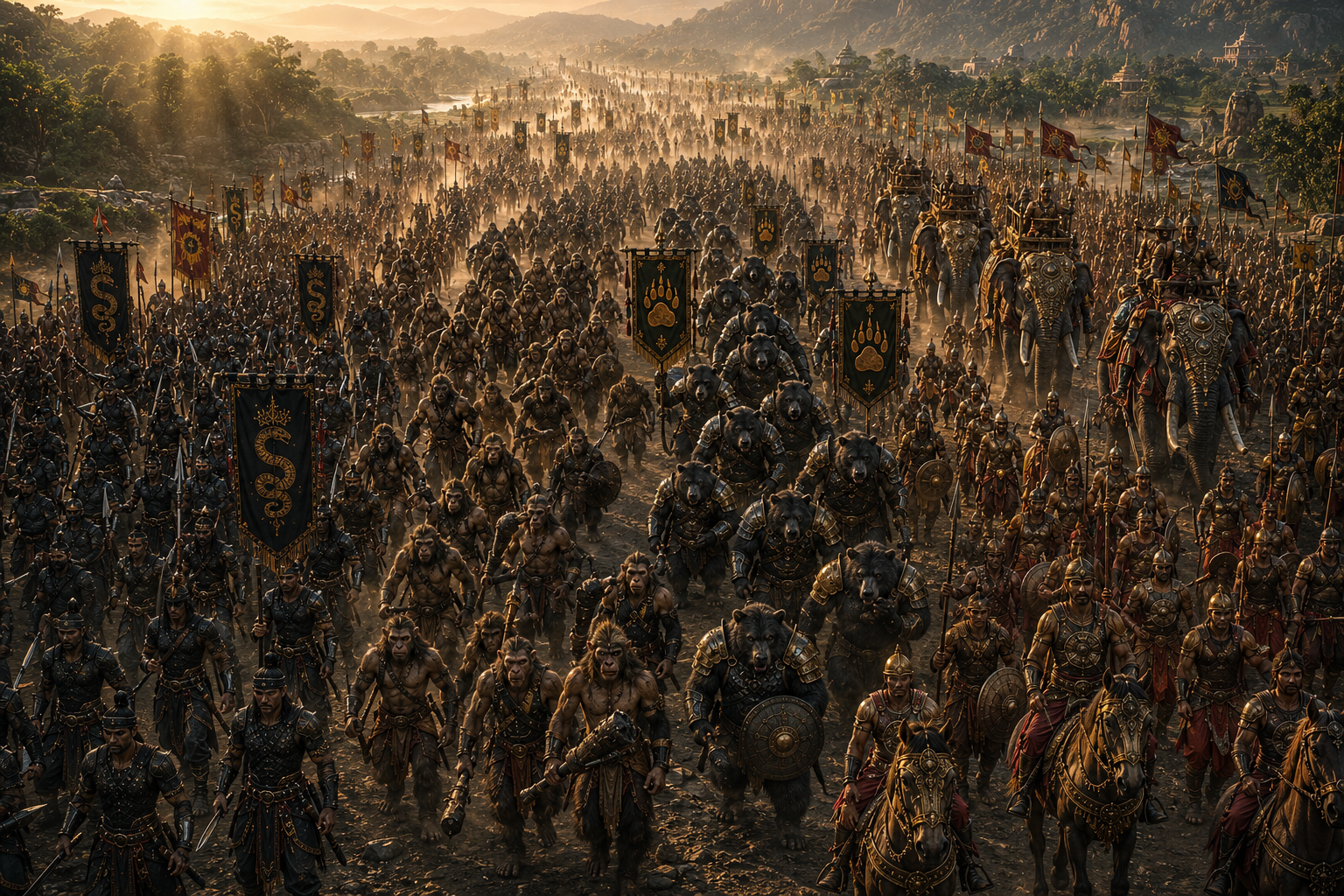
The Last Naga is not only the story of one king. It is the story of a world answering a divine call — Nagas, Vanaras, bear warriors, forest kingdoms and armies moving toward Lanka.
Before the march to Lanka, there are peoples, kingdoms and codes of honour. The Last Naga brings these worlds into one cinematic frame.
A serpent-worshipping warrior civilisation rooted in sacred groves, palace halls and ancient codes of sovereignty.
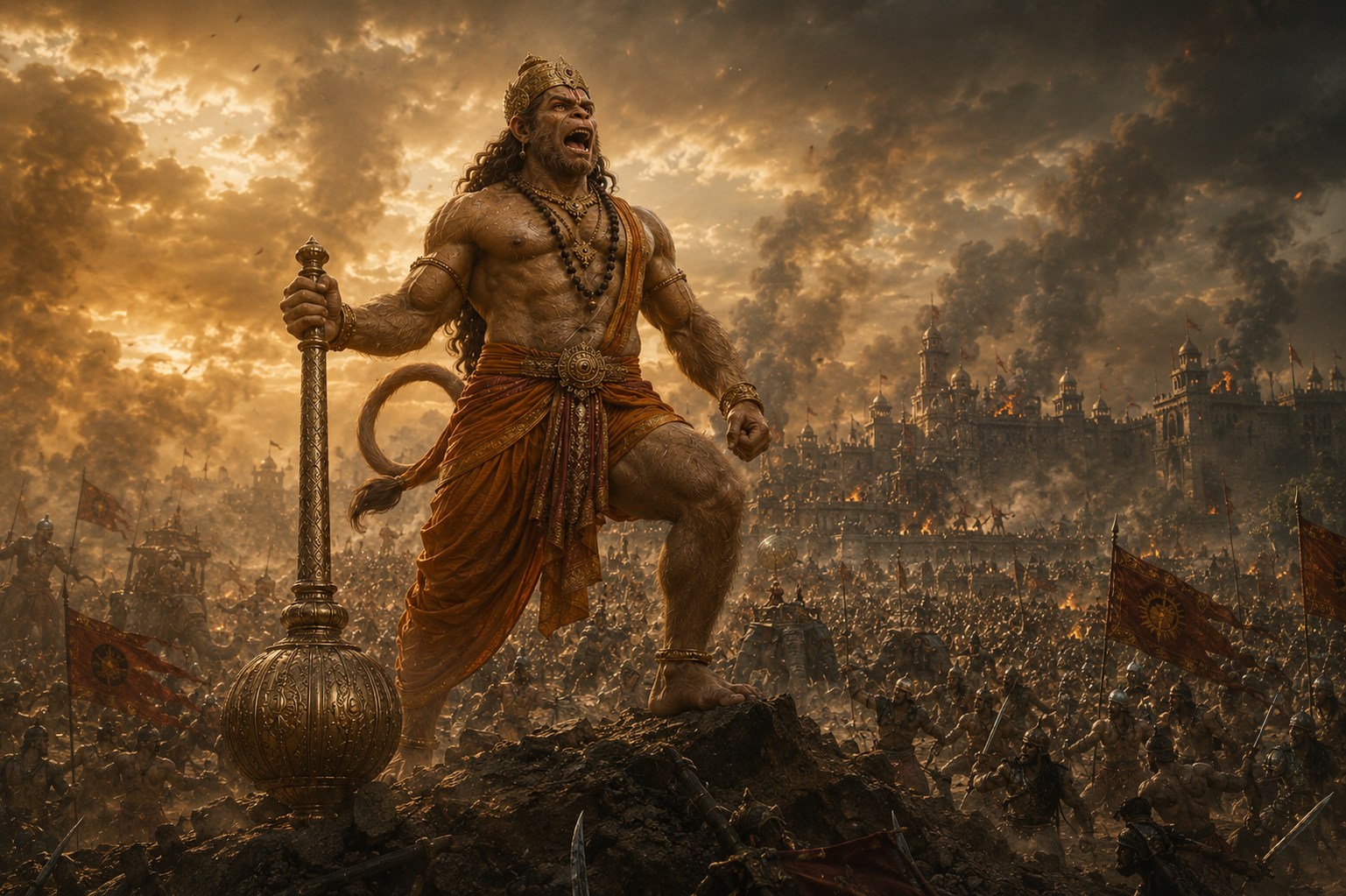
Forest warriors of impossible strength and devotion, led by faith, loyalty and the power of Hanuman.
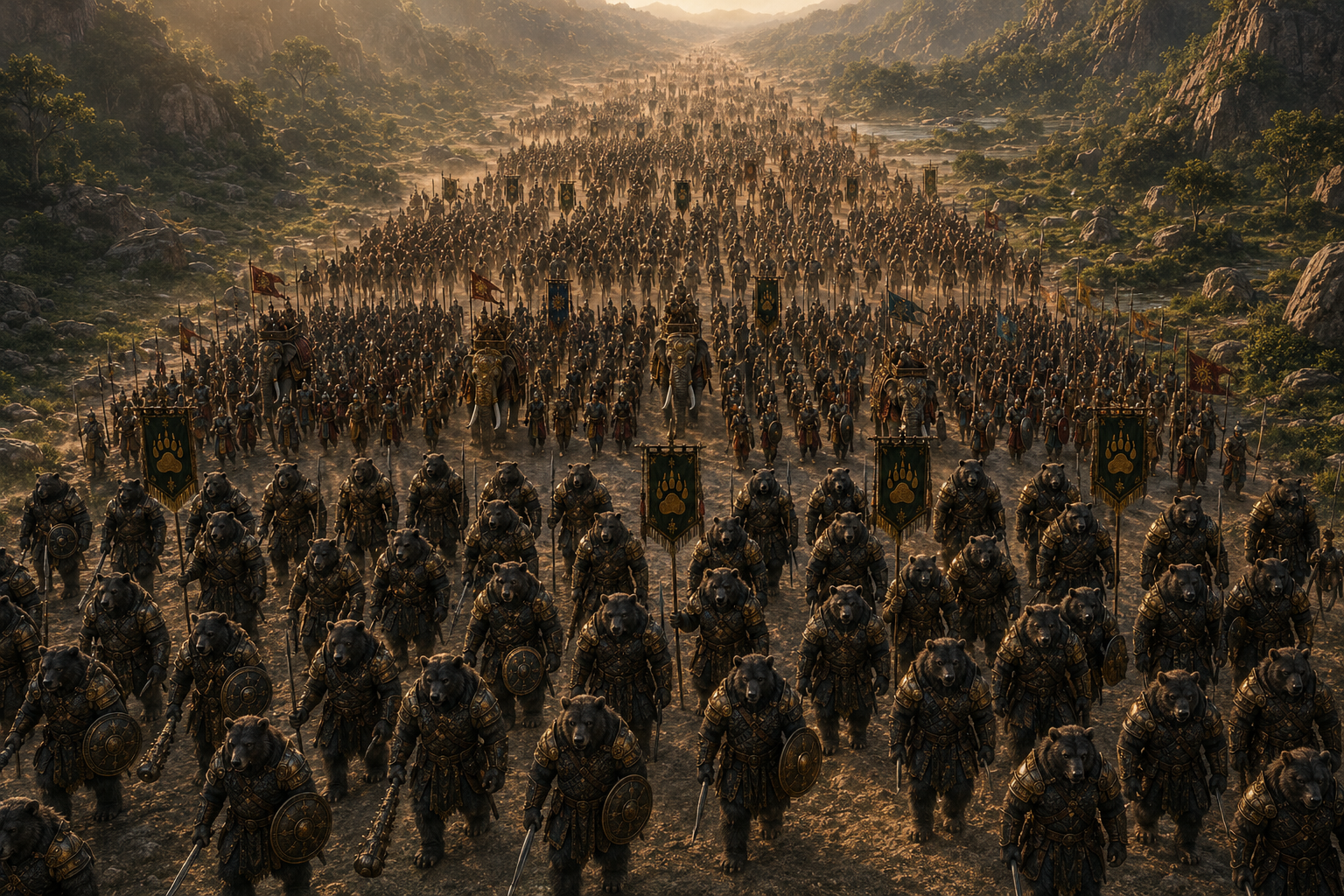
Ancient, disciplined and battle-ready, the bear army marches under the wisdom of Jambavan.
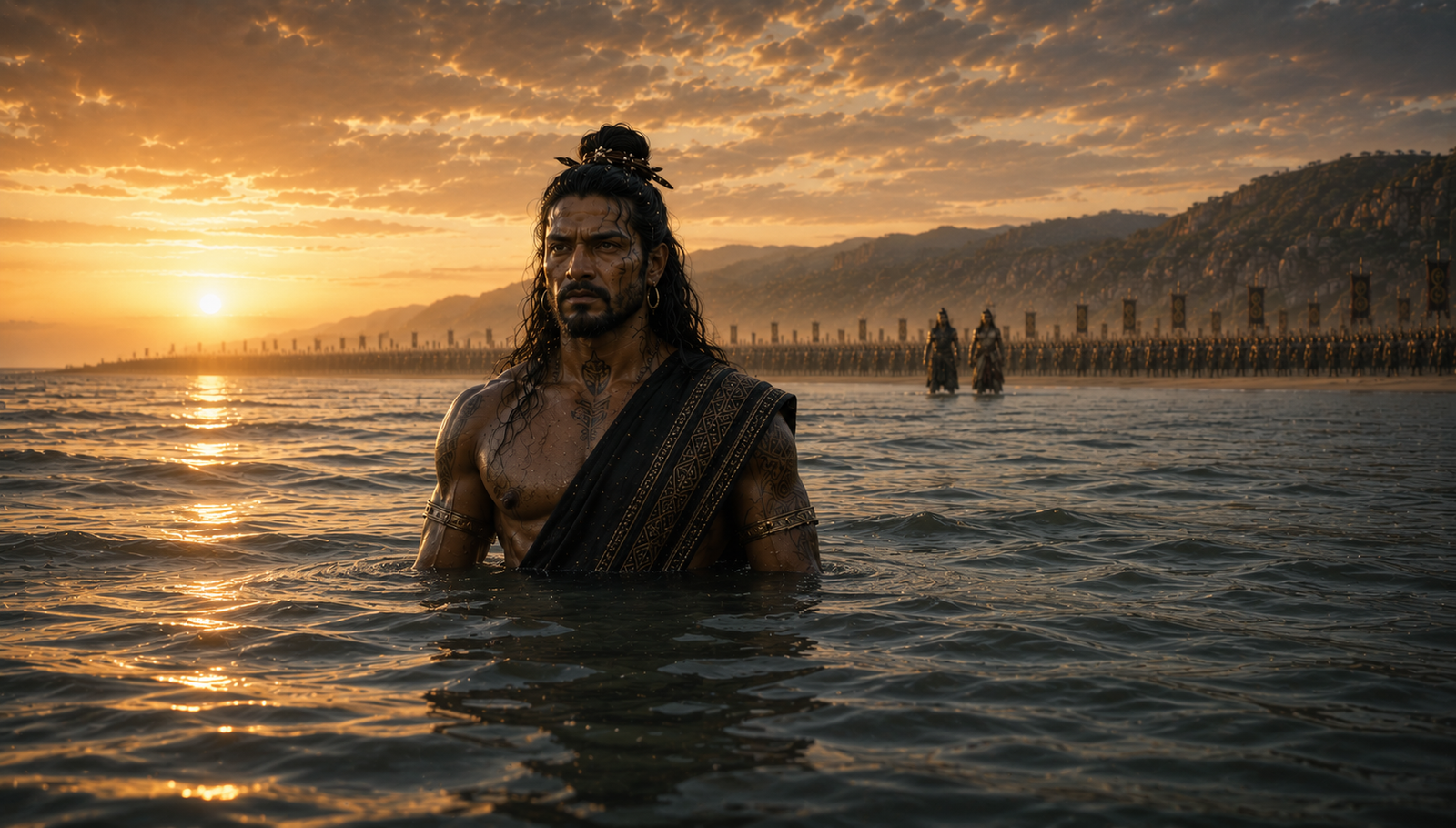
Vasuki enters the war for Lanka not as a follower, but as an ally. He carries the weight of his people, the pride of the Nagas and the burden of choosing when a righteous war becomes his own.
The world of The Last Naga is carried by figures who stand at the edge of legend — some divine, some mortal, all transformed by the march toward Lanka.
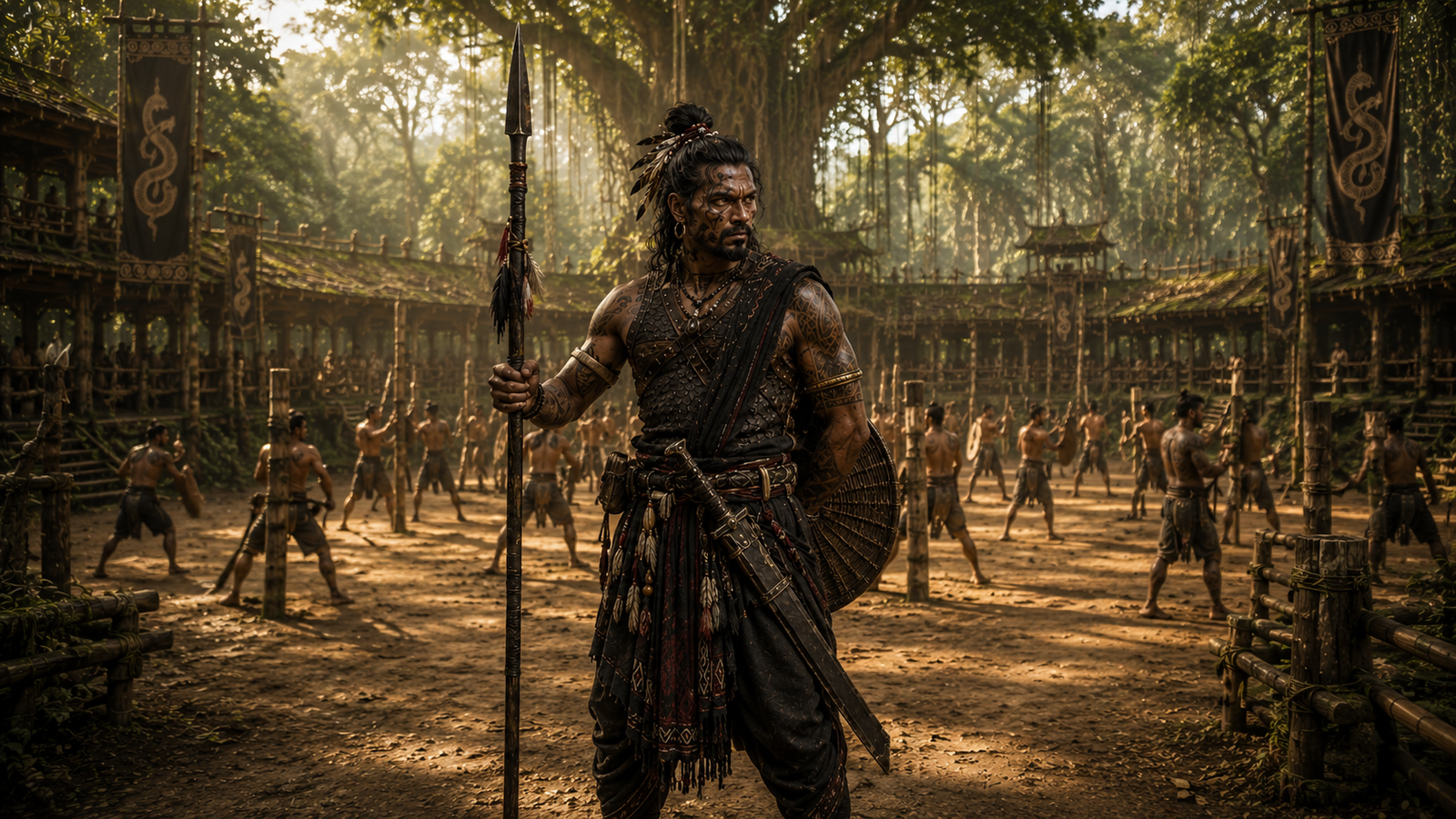
The loyal sword of the Nagas and the warrior who carries Vasuki's command into battle.
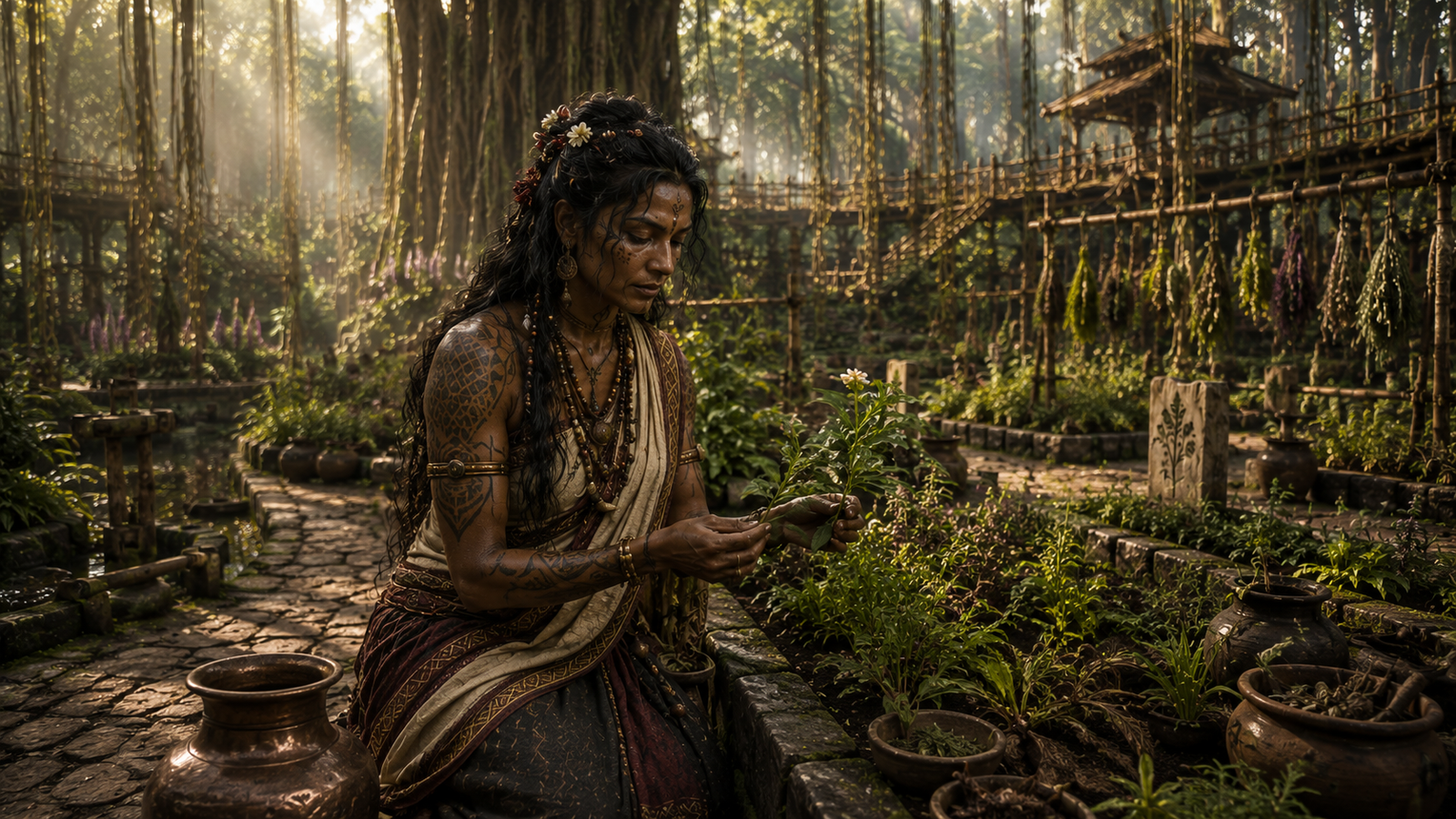
Keeper of serpent knowledge, healer-priestess and guardian of ancient Naga wisdom.
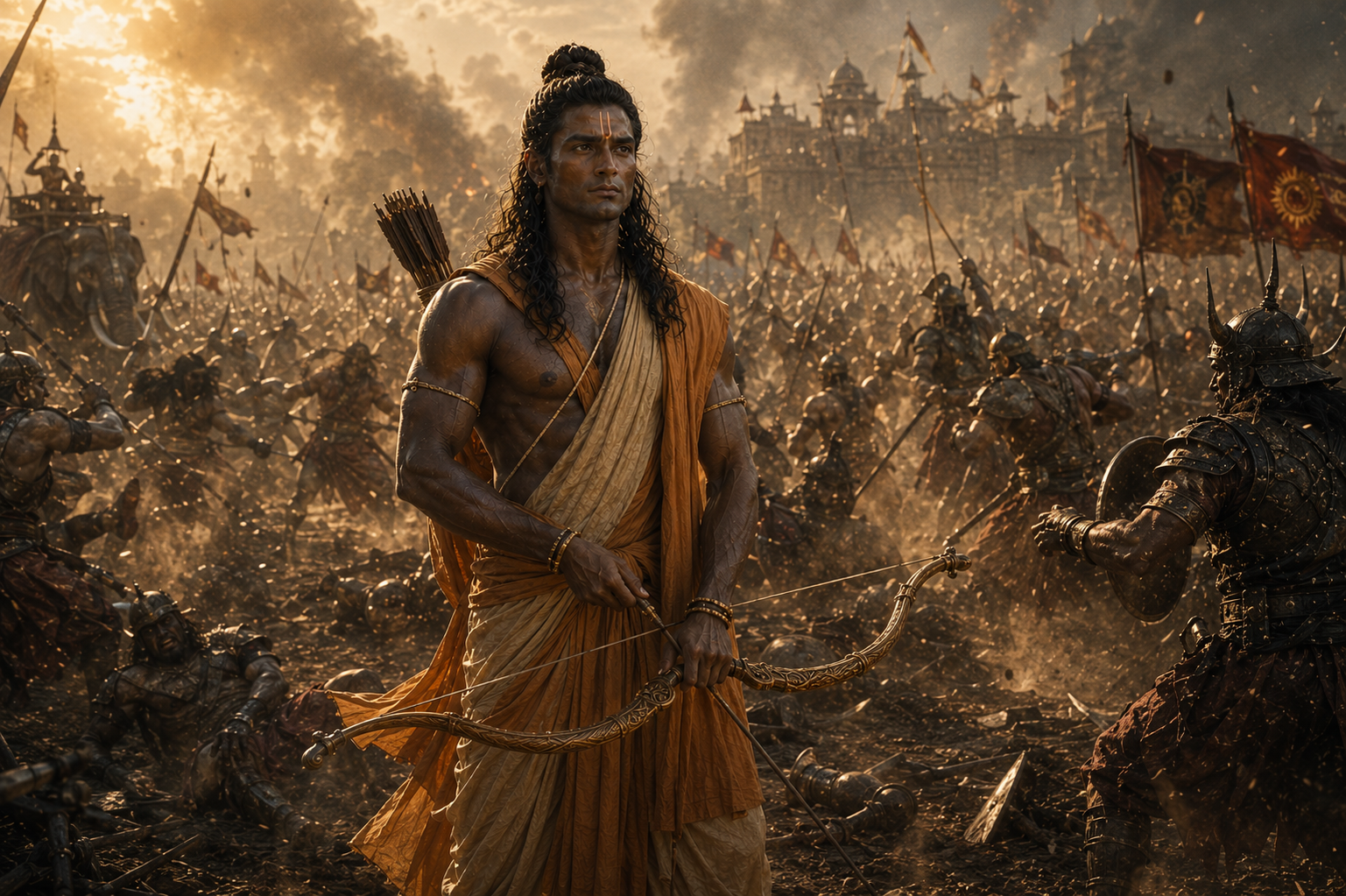
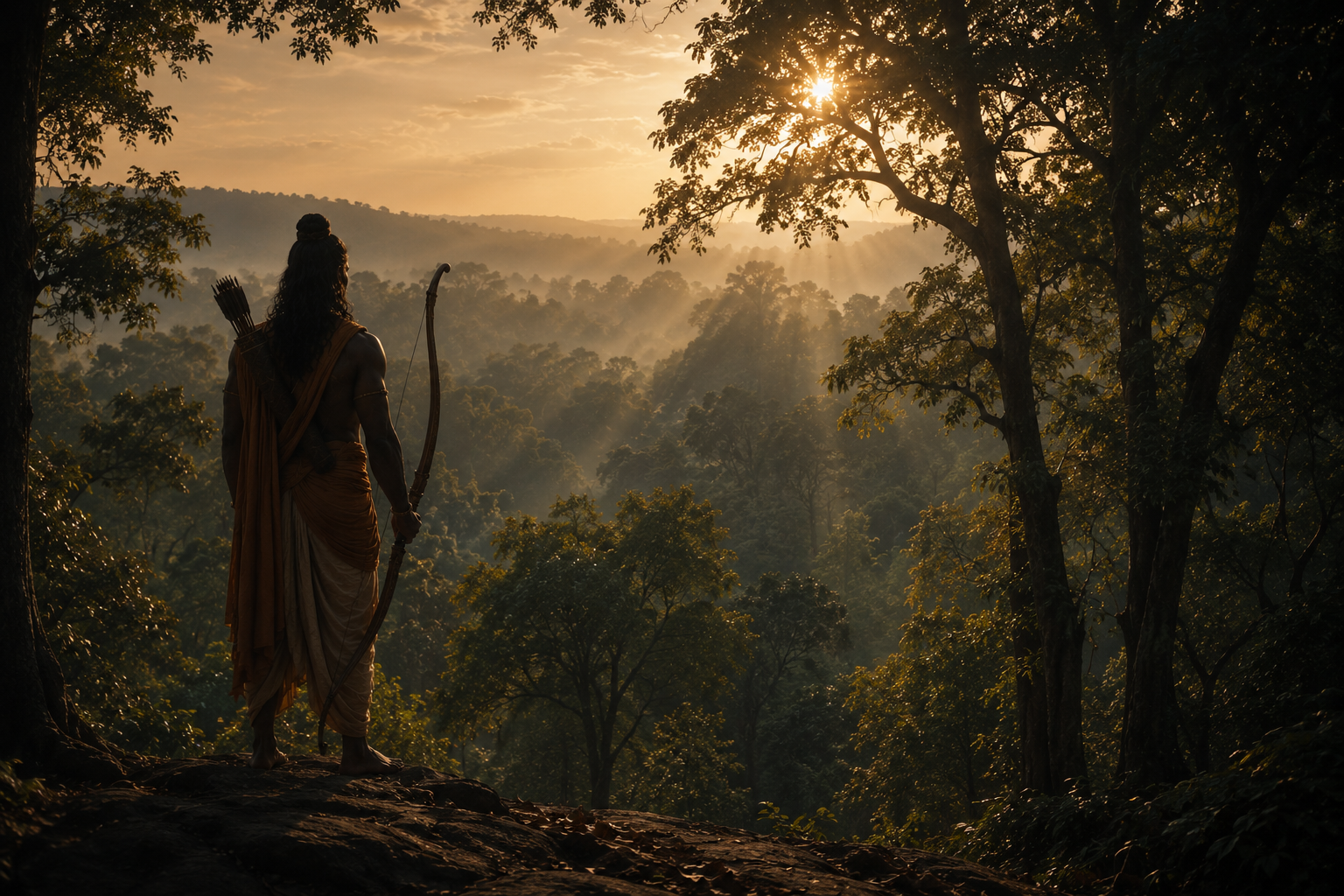
The divine centre of the age, whose call brings kingdoms into motion.
The bridge between devotion, strength and the impossible.
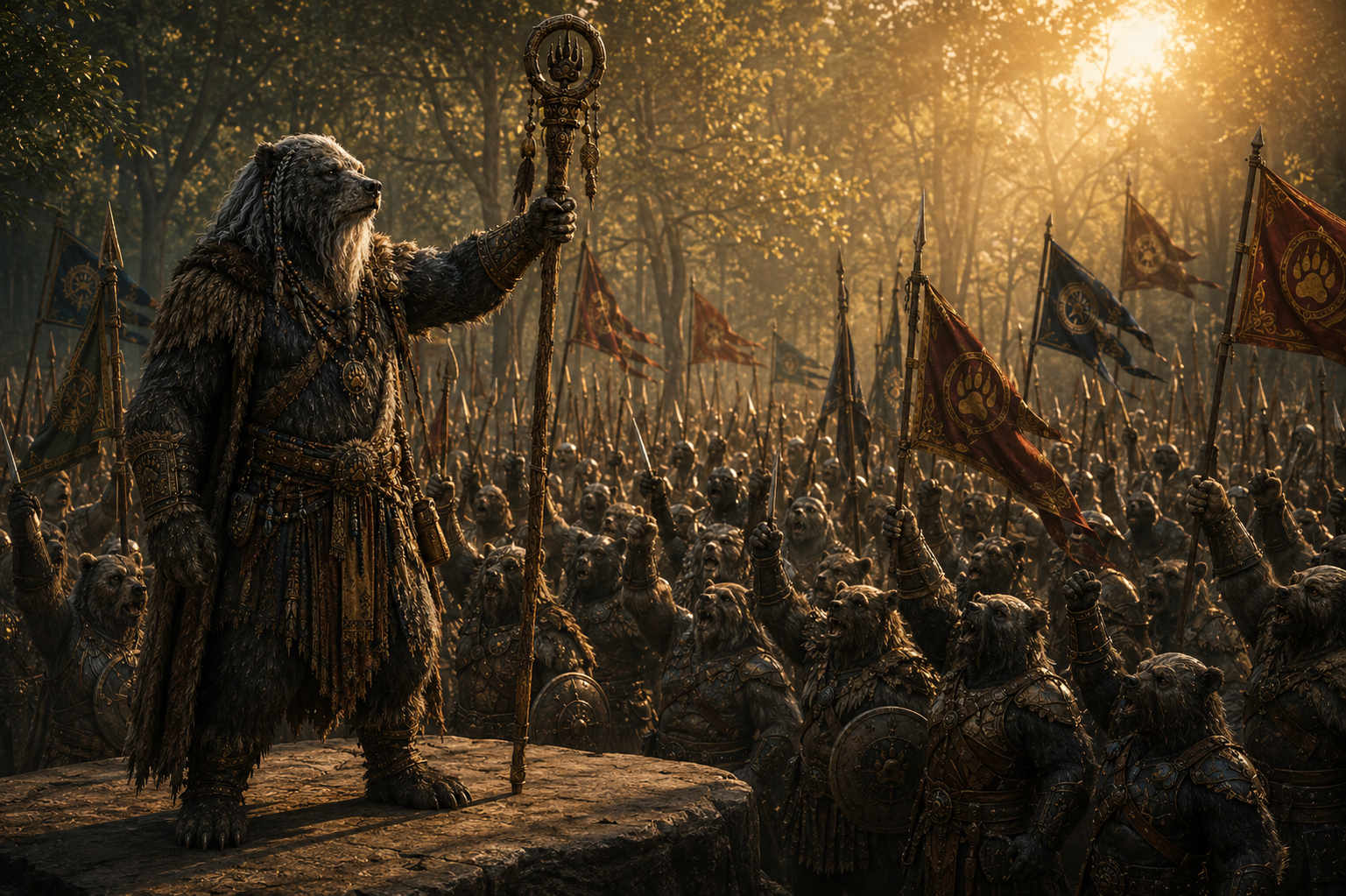
The ancient king whose bear army answers the war call.
Every location in The Last Naga is designed as a living world — not scenery, but civilisation, memory and destiny made visible.
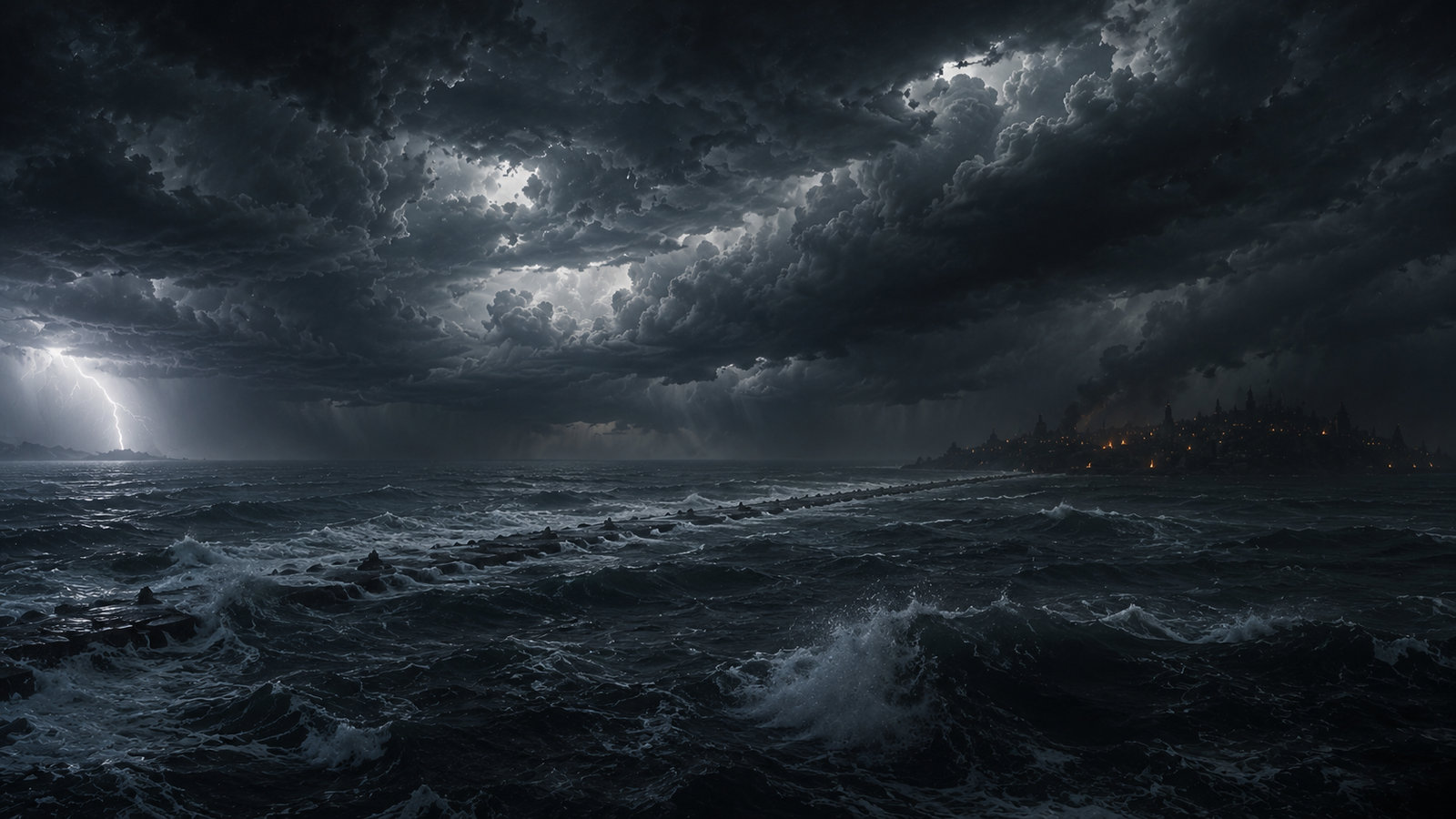
The war is not won by one hero alone. It is carried by armies — Nagas, Vanaras, bears and allies moving across the land toward the defining battle of Treta Yug.
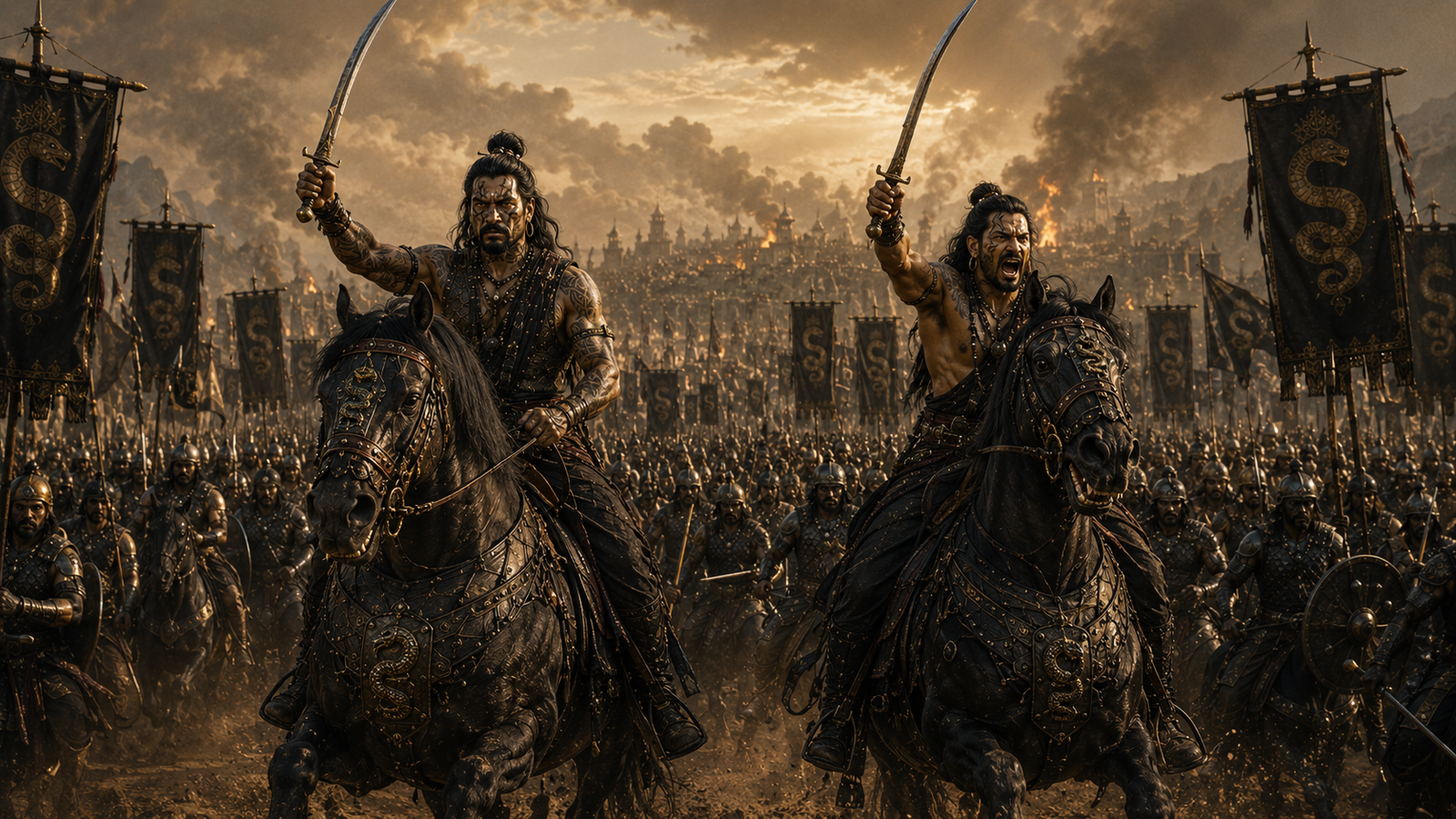
The Naga warriors move with precision, discipline and the ferocity of a people who do not fight for glory — they fight for honour.
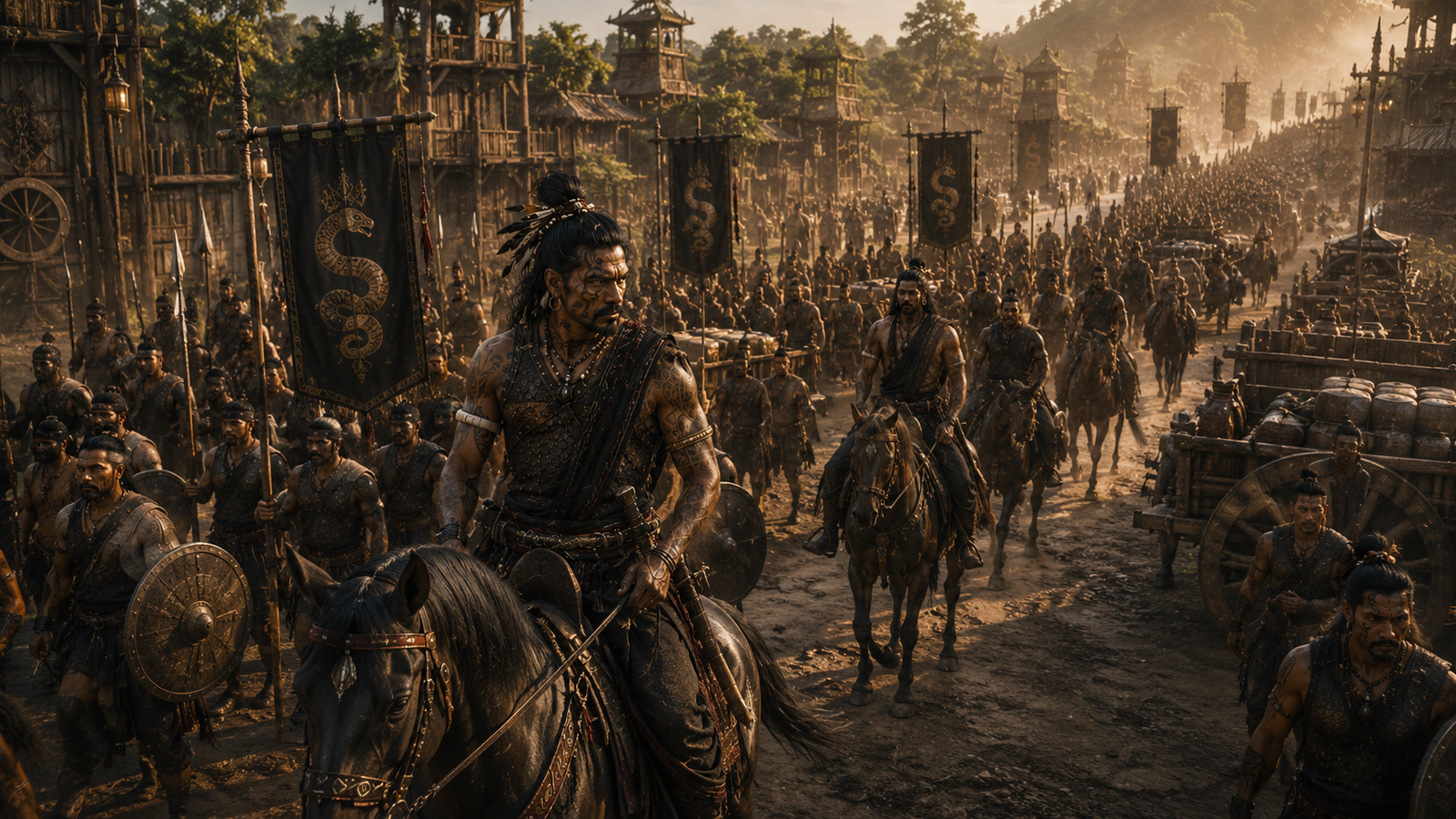
Enter the story of the king who marched beside gods — and the people history forgot.